

How to write an RFQ for aircraft parts that gets a fast, accurate quote
A good RFQ for aircraft parts names the part number and any alternates, the quantity, the condition and certification you need, and where and when it has to arrive. With those details a supplier can quote the right part the first time, instead of coming back with questions.
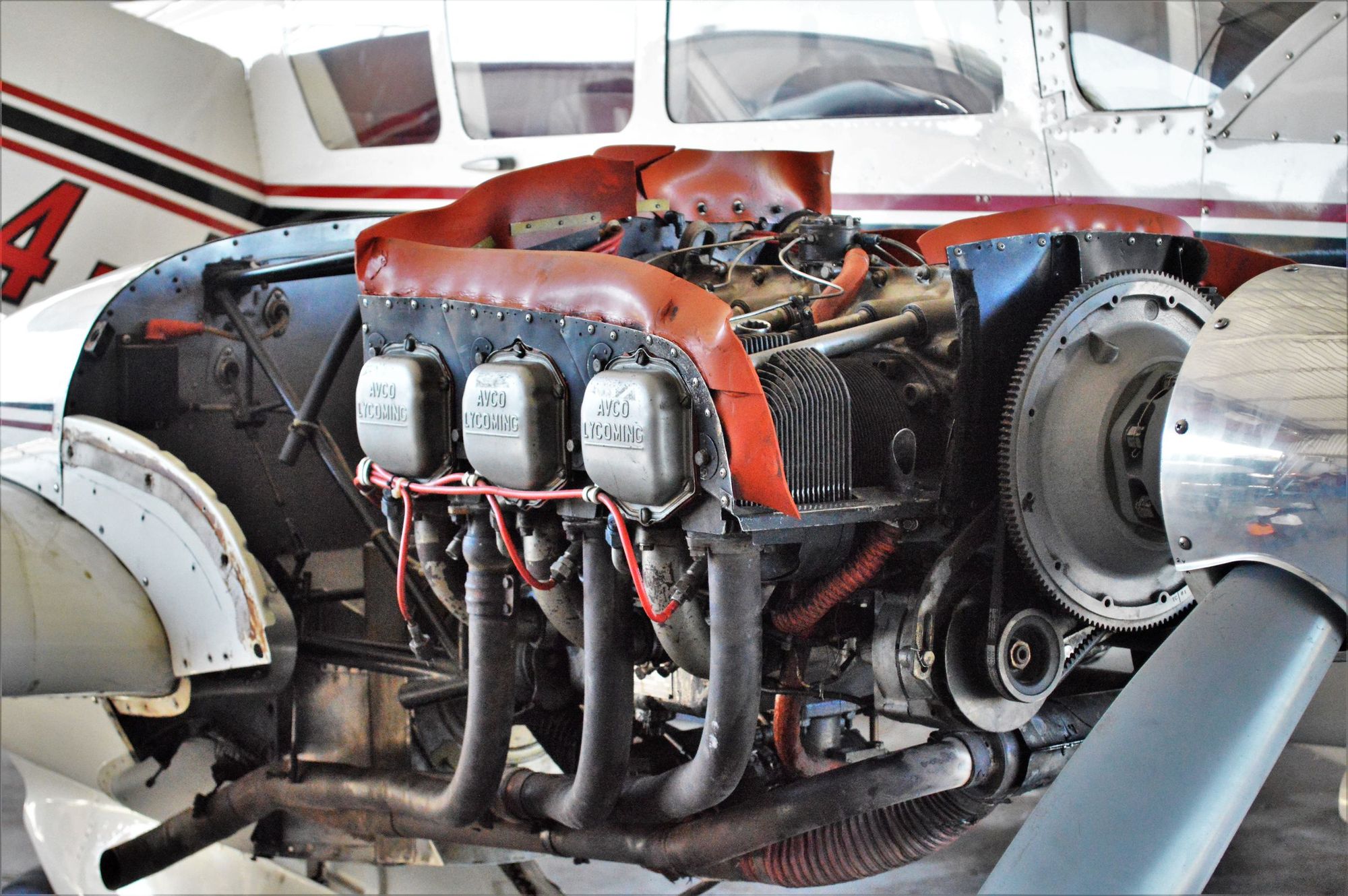
A request for quotation (RFQ) is usually the first conversation between an operator or MRO and a parts supplier. The more complete it is, the faster and more accurate the quote. Most delays in aviation procurement come from a missing detail: an alternate part number nobody mentioned, a condition that was not specified, or a certificate the receiving inspector will ask for.
1. Part number, alternates and description
The part number (P/N) is the single most important line. Copy it exactly as it appears in the illustrated parts catalogue, including dashes and suffixes. If the manufacturer has superseded the part, or the catalogue lists interchangeable alternates, add those too: an alternate P/N can be in stock when the primary one is not.
- Part number (P/N), exactly as in the IPC
- Alternate or superseding part numbers, if any
- A short description, for example "fuel pump" or "main wheel assembly"
- Aircraft or engine type the part is for
2. Quantity
State how many units you need now, and mention it if you expect a recurring need. Some parts are sold in kits or minimum quantities, and knowing the real requirement helps the supplier suggest the most economical option.
3. Condition
Say which condition codes you will accept: new (NE), new surplus (NS), overhauled (OH), serviceable (SV) or another. If price matters more than condition for a given part, accepting several conditions gives the supplier more room to find a good offer. Our separate article explains each code.
4. Certification and paperwork
Tell the supplier which release documents your quality system or authority requires, for example an EASA Form 1, an FAA 8130-3 or a manufacturer’s certificate of conformity. Asking up front avoids receiving a part that cannot be installed.
5. Delivery, deadline and priority
- Delivery address and preferred incoterms
- The date you need the part on site
- Whether the request is AOG (aircraft on ground) and needs to be handled first
How APS handles an RFQ
At APS Aviation Parts Service you can send an RFQ for up to five parts at once through the form on our website, with the part number, alternate P/N, part name and quantity for each, or by email to info@aps-aviation.rs. Parts are supplied with the necessary certificates and paperwork, under a quality management system certified to ISO 9001 and AS9120.